
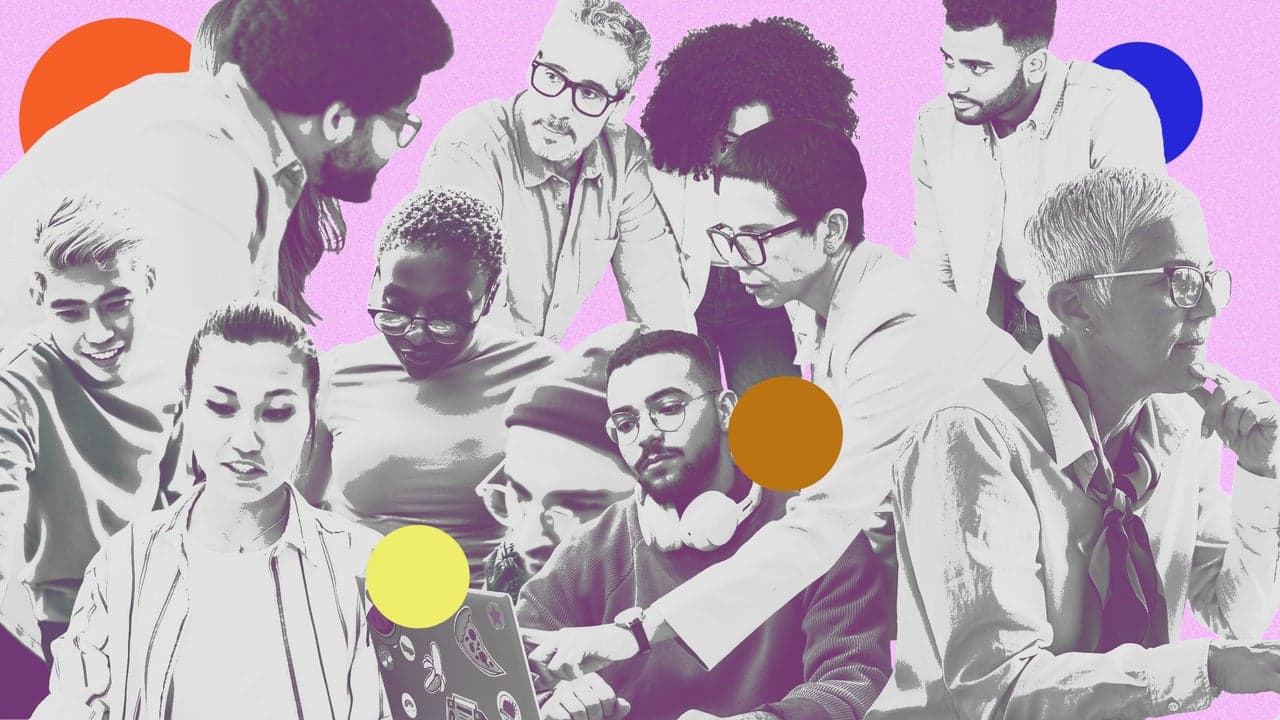
Four Generations, One Workplace: Why Managers Are Stretched to the Limit
For the first time in modern history, four distinct generations are clocking in under the same roof — or logging on to the same Slack channel. Baby boomers, Generation X, millennials, and Generation Z now coexist in offices, remote hubs, and hybrid environments around the world. Each group carries its own set of values, communication habits, leadership expectations, and attitudes toward emerging technologies like artificial intelligence. The result? Managers are under more pressure than ever before, scrambling to find strategies that actually work across every generation on the payroll.
This isn't simply a cultural curiosity. The stakes are high. Companies that fail to bridge generational gaps risk losing top talent, stalling innovation, and fostering a culture of quiet resentment. Those that get it right, however, stand to gain something remarkable: a workforce that turns its differences into a genuine competitive advantage.
What Each Generation Actually Wants at Work
Before managers can bridge generational divides, they need to understand what's driving them. Generational researchers and workplace experts consistently point to a handful of core areas where the four generations diverge most sharply.
Baby Boomers: Loyalty, Structure, and Earned Authority
Born between 1946 and 1964, baby boomers grew up in workplaces defined by hierarchy and long-term loyalty. They tend to respect seniority and believe that authority is earned through years of service and demonstrated expertise. Face-to-face communication and formal processes feel natural and trustworthy to them. Many boomers view rapid technological changes — especially AI implementation — with measured skepticism, preferring to see proven results before fully committing.
Generation X: Independence, Pragmatism, and Work-Life Balance
Gen X, born between 1965 and 1980, is often called the "forgotten generation," sandwiched between two larger and louder cohorts. They value independence and pragmatism above all. Many Gen Xers were the first to push for work-life balance in a meaningful way, and they've spent decades navigating both analog and digital workplaces. They tend to be self-sufficient, skeptical of corporate messaging, and deeply outcome-focused.
Millennials: Collaboration, Purpose, and Flexibility
Millennials, born roughly between 1981 and 1996, entered the workforce during a period of economic instability and rapid digital transformation. They champion collaborative leadership, purpose-driven work, and flexibility. Millennials are now the largest segment of the global workforce and occupy a growing number of mid-to-senior management roles, meaning their management style shapes workplace culture more than any other generation today.
Generation Z: Transparency, Authenticity, and Digital Fluency
Gen Z, born from 1997 onward, is the first truly digital-native generation. They have grown up with smartphones, social media, and on-demand information. In the workplace, Gen Z employees crave transparency from leadership, expect honest and direct feedback, and want to understand the "why" behind every policy and decision. They are also the most comfortable generation when it comes to AI tools and automation — not because they embrace every technology uncritically, but because digital fluency is simply baked into how they think and communicate.
The Real Drivers of Generational Tension
Understanding the surface-level differences between generations is the easy part. The harder work lies in diagnosing what actually ignites tension in day-to-day interactions. Multigenerational workplace expert Lindsey Pollak identifies several recurring flashpoints that managers need to address head-on.
- Communication style mismatches: Gen Z employees often prefer direct, digital-first communication — a quick voice note or instant message over a formal email chain. Older colleagues may interpret this as a lack of professionalism, while Gen Z workers may view lengthy email threads as inefficient and outdated.
- Differing views on AI and technology: Gen Z workers frequently champion the adoption of AI tools to streamline workflows. Baby boomers and some Gen X employees may feel threatened or simply cautious. Without open dialogue, this gap can breed resentment on both sides.
- Feedback frequency expectations: Gen Z employees, shaped by social media environments that provide constant performance feedback, often want more frequent check-ins and real-time recognition. Managers accustomed to annual performance reviews may find these expectations exhausting or even entitled.
- Work-from-home and flexibility debates: Younger workers often view flexibility as a baseline expectation, not a perk. Older employees who built careers around in-office culture may see remote work as a threat to team cohesion and mentorship.
Practical Strategies for Leaders Who Want Results
The good news is that generational tension is not inevitable — it's manageable, and even transformable. Here are concrete strategies that leaders can begin implementing today.
1. Replace Assumptions with Conversations
The most dangerous thing a manager can do is assume they already know what each generational group needs. Instead, create structured opportunities for employees across generations to share their workplace expectations openly. This could be as simple as a team retrospective focused on communication preferences, or a mentorship program that pairs junior and senior employees for mutual learning.
2. Build a Communication Framework That Works for Everyone
Rather than allowing communication chaos to fester, establish clear norms that respect different styles. For example, decide as a team which tools are appropriate for which types of messages — urgent matters may warrant a direct message, while complex discussions deserve a meeting or a detailed written brief. Making these agreements explicit removes a major source of daily friction.
3. Treat AI as a Team Conversation, Not a Top-Down Mandate
AI adoption is one of the most contentious issues in multigenerational workplaces right now. The most effective approach is to involve employees from all generations in the conversation before rolling out new tools. Let Gen Z employees who are AI-fluent become internal champions and trainers, while ensuring that veteran team members' concerns about quality, accuracy, and job security are taken seriously and addressed transparently.
4. Customize Feedback and Recognition
A one-size-fits-all approach to feedback is a missed opportunity. Some employees thrive on public recognition during team meetings; others find that mortifying. Some want weekly one-on-ones; others prefer to check in monthly. Asking employees directly how they prefer to receive feedback costs nothing and pays dividends in engagement and retention.
5. Lead With Psychological Safety
Generational differences only become innovations when people feel safe enough to voice them. Leaders who model vulnerability — acknowledging what they don't know, asking questions rather than projecting authority, and admitting mistakes — create the conditions where employees of every age feel comfortable contributing their full perspective.
Generational Diversity Is a Strategic Asset
The multigenerational workplace is not a problem waiting to be solved. It is, when properly managed, one of the most powerful assets an organization can have. Baby boomers bring institutional knowledge and deep client relationships. Gen X offers battle-tested adaptability. Millennials excel at building collaborative cultures and navigating change. Gen Z delivers digital fluency, fresh perspectives, and an unwillingness to accept the status quo without question.
The leaders who will thrive in the years ahead are those who stop trying to flatten these differences and start learning how to orchestrate them. The new rules of work are not about choosing one generation's preferences over another's — they're about building workplaces flexible and intelligent enough to honor all of them at once.
The generational conversation is no longer optional. It's the conversation that will define the future of your team.