
Jon Prosser's Apple Lawsuit: Default Ruling Could Be Reversed
One of the tech world's most closely watched legal battles is showing new signs of movement. Jon Prosser, the prominent Apple leaker and content creator known for his inside scoops on unreleased Apple products, may get a second chance in court after a default judgment was entered against him in October 2025. According to recent reports, Apple's legal team has signaled a willingness to allow the default ruling to be reversed — provided that a judge gives the green light. For anyone following the intersection of Apple's aggressive trade secret protection efforts and the broader leaker community, this development marks a significant moment in a case that has been full of twists since it first emerged.
How the Apple vs. Jon Prosser Lawsuit Began
The legal saga dates back to July 2025, when Apple filed a lawsuit against Jon Prosser and a second individual, Michael Ramacciotti, alleging that the two conspired to steal confidential information about a pre-release version of iOS. The lawsuit was specific and serious: Apple claimed that Prosser and Ramacciotti had accessed a test device belonging to an Apple employee named Ethan Lipnik during an event where the alleged leak occurred. The incident ultimately cost Lipnik his job — he was fired in the aftermath of the alleged unauthorized access to his device.
The nature of the leaked information made the case especially sensitive for Apple. Pre-release software builds contain not only unannounced features but also internal architecture details, design directions, and proprietary code. Apple has historically taken an aggressive stance toward anyone who leaks such information, whether an insider or an outside collaborator, and the Prosser lawsuit fit squarely into that pattern of enforcement.
Why a Default Judgment Was Entered Against Prosser
What made Prosser's situation particularly complicated was not the substance of the allegations, but his initial response — or rather, his lack of one. After Apple filed the lawsuit in July 2025, Prosser failed to respond within the legally required timeframe. In U.S. civil litigation, when a defendant does not respond to a complaint, the court can enter what is known as a default judgment, essentially ruling in the plaintiff's favor due to the defendant's failure to participate in the legal process.
That is precisely what happened. By October 2025, a default judgment had been entered against Prosser. For most defendants, this is an extremely damaging outcome — it can result in automatic liability and court-ordered remedies without any opportunity to present a defense. At the time, it appeared that Prosser's silence might cost him dearly in a case where Apple was seeking significant legal relief.
Prosser Begins to Engage With the Legal Process
Since the default ruling, Prosser's posture toward the lawsuit has shifted noticeably. He has slowly begun to respond to court orders and has reportedly agreed to participate in both discovery and deposition — two critical phases of civil litigation. Discovery allows both sides to gather evidence from each other, including documents, communications, and other records. Deposition involves sworn out-of-court testimony that can be used during trial.
Prosser's engagement with these processes suggests that he is now taking the lawsuit seriously and has secured or is seeking legal representation capable of guiding him through the proceedings. It also opens the door to the potential reversal of the default judgment, which is exactly what Apple's lawyers appear to be open to under the right conditions.
What It Means for Apple to Offer a Reversal
It might seem counterintuitive for Apple — the plaintiff in this case — to support reversing a ruling that went in their favor. However, from a strategic and legal standpoint, it actually makes considerable sense. A default judgment won in the absence of a defendant's participation can be harder to enforce and more vulnerable to appeal. It also does not allow Apple to make the full evidentiary case it may want to establish, particularly if the company aims to use this lawsuit to send a broader message to the leaker community about the consequences of misappropriating trade secrets.
By allowing the case to proceed through normal litigation channels — with both parties actively participating — Apple stands a better chance of achieving a thorough, legally robust outcome. If Prosser is found liable after a full discovery process and potential trial, that ruling carries far more weight than a default judgment that was never truly contested.
The Broader Context: Apple and Its War on Leakers
The Prosser lawsuit does not exist in a vacuum. Apple has long maintained one of the most secretive product development cultures in the technology industry, and it has consistently pursued legal action against those who compromise that secrecy. Over the years, the company has sued former employees, investigated journalists, and taken action against supply chain partners who allowed unreleased product images or specifications to escape into the public domain.
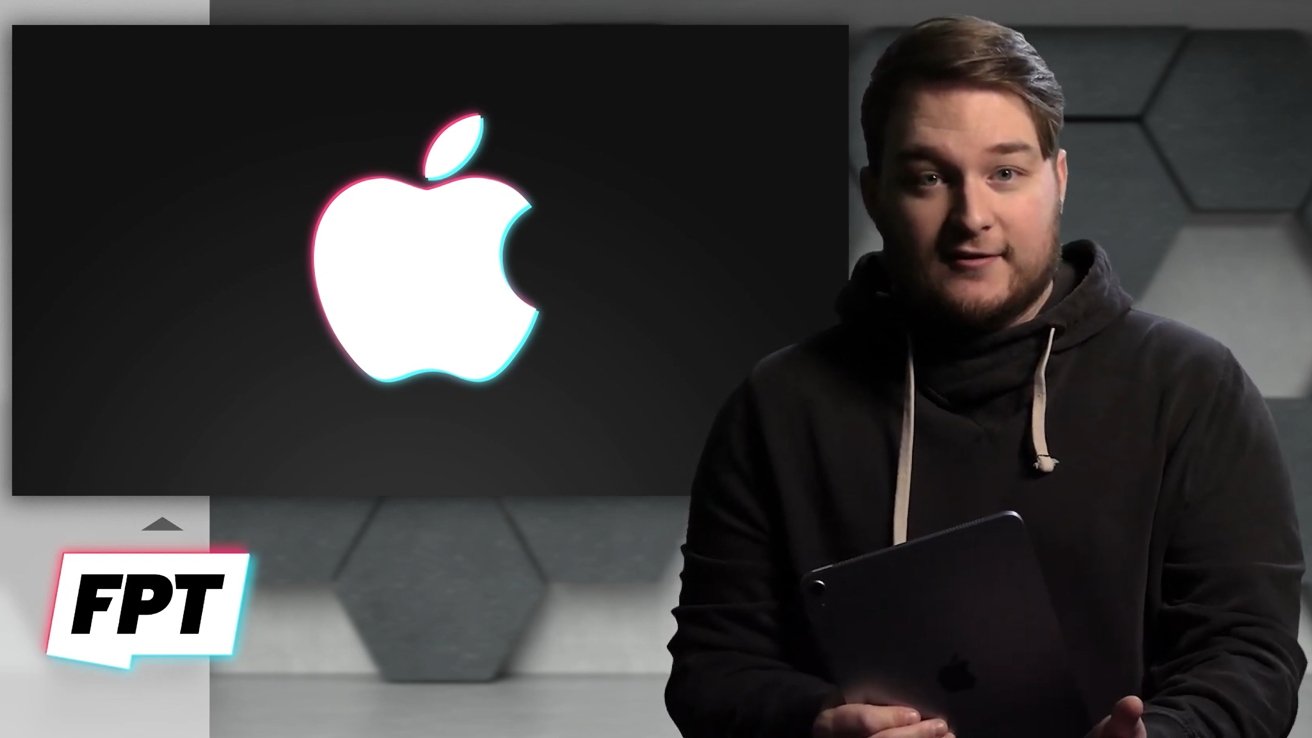
Jon Prosser, as one of the internet's most well-known Apple leakers with a substantial following across YouTube and social media, represents a particularly high-profile target. His channel, Front Page Tech, has built a loyal audience through early and often accurate reveals of upcoming Apple hardware and software. The iOS leak at the center of this lawsuit was among the most significant he had ever been associated with, involving what appeared to be substantial details about a redesigned version of Apple's mobile operating system.
What Happens Next
The immediate next step is judicial approval. Apple's lawyers have expressed willingness to allow the default ruling to be reversed, but that decision ultimately rests with the presiding judge. If the judge agrees, Prosser would be given the opportunity to formally respond to the complaint and mount a legal defense. The case would then proceed through standard litigation phases, which could include extensive discovery, depositions of key witnesses, and potentially a trial.
For followers of the Apple leaker community and legal observers alike, the outcome of this case could have lasting implications. It may influence how leakers and their sources approach sharing pre-release information about Apple products going forward, and could set precedents around trade secret liability in the social media era.
Key Takeaways
- Apple filed a lawsuit against Jon Prosser and Michael Ramacciotti in July 2025 over alleged theft of pre-release iOS information.
- An Apple employee, Ethan Lipnik, was fired after the incident during which his test device was allegedly accessed without authorization.
- Prosser failed to respond to the lawsuit, resulting in a default judgment being entered against him in October 2025.
- Since the default ruling, Prosser has begun engaging with the court, agreeing to participate in discovery and deposition.
- Apple's legal team has indicated a willingness to support reversing the default judgment, pending judicial approval.
- If approved, the case would proceed through standard litigation, potentially resulting in a more comprehensive legal resolution.
As this case continues to develop, it remains one of the most consequential legal battles in the tech leak space in recent memory. Whether the default ruling is reversed or upheld, the Apple vs. Jon Prosser lawsuit is shaping up to be a landmark moment in how the tech industry — and its most secretive players — respond to the modern culture of pre-release leaks.