
Why There's No Simple Answer to "How Much Tax Will I Pay on My Car?"
If you've ever priced out a new or used vehicle and wondered why the "out-the-door" price seems so much higher than the sticker price, sales tax is often the biggest culprit. Unlike purchases at a retail store, where you might add a few dollars in tax to your total, a vehicle sale can tack on hundreds or even thousands of dollars depending on where you live.
Here's the key thing to understand from the start: there is no federal sales tax on vehicle purchases in the United States. That means the amount you pay in sales tax is determined entirely by your state — and in some cases, by your county or city as well. Two people buying the exact same car at the exact same price on the same day can pay wildly different amounts in tax depending on which side of a state line they live on.
Understanding how to calculate your vehicle sales tax before you walk into a dealership can save you from sticker shock at signing and help you budget more accurately for one of the biggest purchases most people make.
How State Vehicle Sales Tax Works
Every state that charges a sales tax has its own rate, and most apply that rate to vehicle purchases just as they would to other taxable goods. The tax is typically calculated as a percentage of the vehicle's purchase price, though the exact rules can differ from state to state in some important ways.
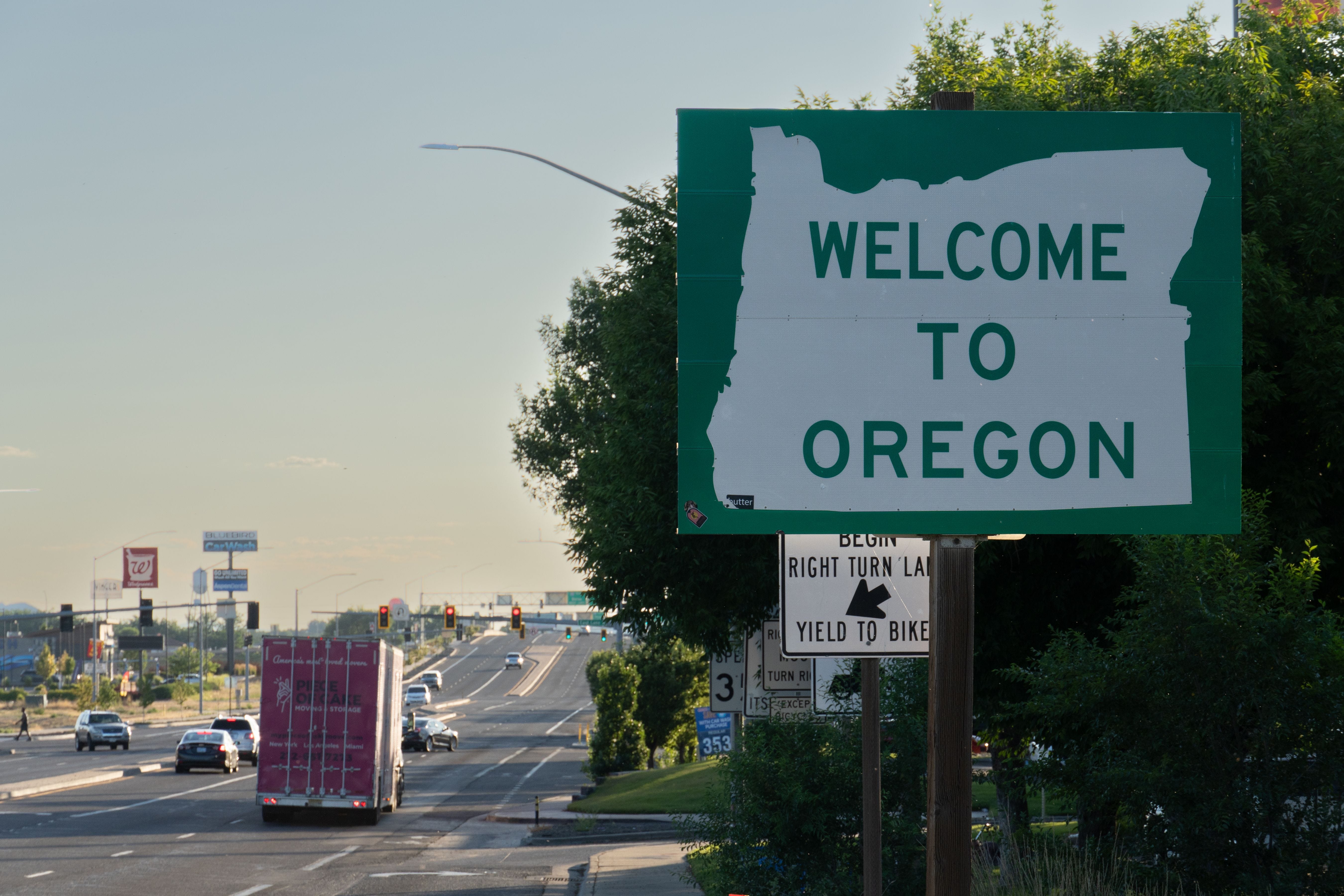
For example, some states tax the full purchase price of the vehicle. Others allow you to subtract the value of your trade-in before calculating the tax, which can significantly reduce what you owe. A handful of states — including Oregon, Montana, New Hampshire, and Delaware — charge no general sales tax at all, meaning residents there pay zero in sales tax on a car purchase.
On the other end of the spectrum, states like California, Tennessee, and Nevada have some of the highest combined vehicle sales tax rates in the country. When you factor in state, county, and local rates together, buyers in some areas can find themselves paying upward of 9% or 10% in sales tax alone.
How to Calculate Sales Tax on a Car Purchase
The basic formula for calculating vehicle sales tax is straightforward once you know your local rate:
- Find your state's base sales tax rate for vehicle purchases. Your state's Department of Motor Vehicles (DMV) or Department of Revenue website is the most reliable source for this figure.
- Check for local add-ons. Many counties and cities layer their own tax rate on top of the state rate. Your total effective rate is the sum of all applicable rates.
- Determine your taxable purchase price. In states that allow trade-in deductions, subtract your trade-in value from the vehicle's sale price. In states that don't, use the full sale price.
- Multiply the taxable price by your combined tax rate. For example, if you're buying a $30,000 car in a state with a combined rate of 7%, your sales tax would be $2,100.
It sounds simple, but the complications arise in the details — which is why it's worth doing this calculation yourself before you rely solely on the number a dealer gives you at the finance desk.
State-by-State Differences That Can Catch Buyers Off Guard
Beyond the basic rate, there are several state-specific quirks that can affect how much tax you actually pay on a vehicle.
Trade-In Tax Credit
Many states offer a trade-in tax credit, which means the value of your old vehicle is subtracted from the purchase price before sales tax is calculated. If you're trading in a car worth $8,000 on a $28,000 vehicle in one of these states, you only pay tax on $20,000. Over the life of a transaction, this can mean hundreds of dollars saved. However, not every state offers this benefit, so it's worth confirming before you assume your trade-in will reduce your tax bill.
Private-Party vs. Dealership Sales
In most states, buying a car from a private seller still requires you to pay sales tax — you just pay it when you go to register the vehicle with your state's DMV. Some states calculate this tax based on the sale price listed on the bill of sale, while others use a minimum assessed value to prevent buyers from under-reporting the sale price to reduce their tax burden.
Reciprocal Tax Agreements
If you buy a car in one state but register it in another, you'll generally pay the sales tax of the state where you register the vehicle. Some states have reciprocal agreements with neighboring states that account for taxes already paid, while others do not, which could theoretically result in being taxed twice. Always verify your situation with your home state's DMV before purchasing a vehicle out of state.
How to Find Your State's Exact Rate
The most reliable way to determine what you'll owe is to go directly to your state's official government website. Most state DMV or Department of Revenue websites publish current vehicle sales tax rates, trade-in rules, and any local surcharges that apply in specific counties or municipalities. Some states even offer online tax calculators that let you enter a purchase price and ZIP code to get an estimate of your total tax liability.
In addition to the official government resources, many automotive research websites publish regularly updated summaries of car sales tax rates by state. These can be a helpful starting point, but always verify the figures with your state's official source before finalizing your budget, since rates can change from one legislative session to the next.
Don't Forget the Other Fees
Sales tax is often the largest additional cost on a vehicle purchase, but it's rarely the only one. Most states also charge registration fees, title fees, and documentation fees when you buy a car. Some states cap documentation fees by law; others leave them entirely to the dealer's discretion. When budgeting for your total out-the-door cost, make sure you're accounting for all of these line items — not just the sticker price and the sales tax — so you're not caught off guard at the table.
The Bottom Line
Because there is no federal sales tax on vehicle purchases, what you pay depends entirely on where you live and register your car. Rates vary from zero in a few tax-free states to over 10% in some cities when local rates are combined with the state base rate. The smartest move you can make as a car buyer is to research your specific state and local rates before you shop, factor in any trade-in credits you may qualify for, and calculate your own estimate so you can walk into the dealership fully informed. A little preparation upfront can make the difference between a smooth purchase and an unpleasant surprise when it's time to sign the paperwork.