
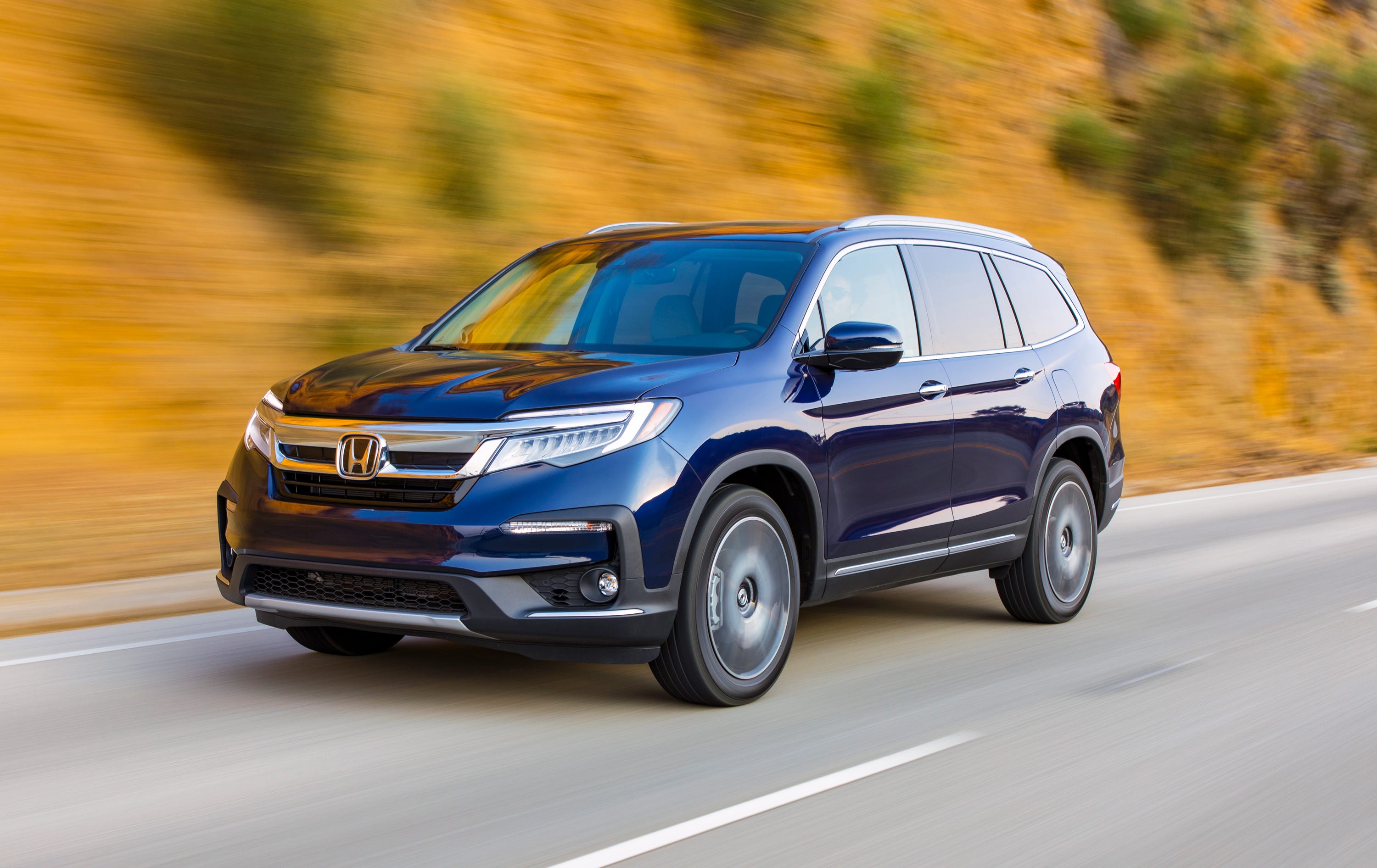
Honda Recalls 880,000 Vehicles Over Dangerous Rusting Subframes
Honda has issued a major safety recall affecting approximately 880,000 vehicles across several of its most popular models. The recall covers certain Honda Pilot, Honda Passport, Honda Ridgeline, and Acura MDX vehicles, all of which may be equipped with rear subframes that are prone to premature and accelerated rusting. According to Honda, this corrosion issue is serious enough to cause suspension failure — a scenario that can have life-threatening consequences for drivers, passengers, and others on the road.
If you own one of these vehicles, understanding what this recall means, why it matters, and what steps you should take is critically important. Below, we break down everything you need to know about this significant Honda recall.
Which Vehicles Are Affected by the Honda Subframe Recall?
This recall is broad in scope and covers four distinct models sold under both the Honda and Acura brand names. The affected vehicles include:
- Honda Pilot — one of Honda's best-selling three-row SUVs, popular with families across North America
- Honda Passport — a mid-size two-row SUV designed for both on-road comfort and off-road capability
- Honda Ridgeline — Honda's unique unibody pickup truck, known for its car-like ride and versatile bed
- Acura MDX — Acura's flagship three-row luxury SUV, widely regarded as one of the best vehicles in its segment
Together, these four models account for close to 880,000 units currently on the road. Honda has not yet publicly confirmed the exact model years covered by the recall, but owners of these vehicles should check with Honda directly or use the National Highway Traffic Safety Administration (NHTSA) recall lookup tool to verify whether their specific vehicle is included.
What Is a Subframe and Why Does Rusting Matter?
To understand why this recall is so serious, it helps to understand the role of a subframe in a vehicle's structure. The rear subframe is a critical structural component that supports the rear suspension system. It connects the suspension components — including the control arms, shock absorbers, and axle — to the body of the vehicle. In essence, it forms the backbone of the rear suspension setup.
When a subframe rusts prematurely, its structural integrity begins to deteriorate from the inside out. Metal that has been weakened by corrosion can crack, fracture, or even separate entirely under the stresses of normal driving. If the rear subframe were to fail while a vehicle is in motion, the driver could suddenly and unexpectedly lose control of the vehicle. Rear suspension failure at highway speeds, in particular, can be catastrophic — and could cause a serious accident involving not just the driver, but other road users as well.
Premature rust is especially concerning because it can develop much faster than standard wear-related corrosion, meaning vehicles that appear to be in good condition may already be compromised beneath the surface.
Why Are These Subframes Rusting So Quickly?
While Honda has not yet released a comprehensive technical explanation of the root cause, premature subframe corrosion typically results from one or more of the following factors: insufficient protective coating applied during manufacturing, exposure to road salt and moisture in certain geographic regions, or design features that allow water and debris to accumulate around the subframe over time. Vehicles driven in northern states and Canada, where road salt is heavily used during winter months, are often at the greatest risk of accelerated corrosion.
Honda's acknowledgment of the issue across four different model lines suggests a shared component or a common manufacturing process may be at the root of the problem. Investigations by Honda and the NHTSA will likely shed more light on the precise cause in the coming weeks.
What Should Honda and Acura Owners Do Right Now?
If you own a Honda Pilot, Honda Passport, Honda Ridgeline, or Acura MDX, there are several immediate steps you should take to protect yourself and your family.
- Check your vehicle's VIN: Visit the NHTSA recall website at nhtsa.gov or Honda's official recall portal and enter your Vehicle Identification Number (VIN) to determine if your specific vehicle is covered under this recall.
- Contact your local dealer: Reach out to an authorized Honda or Acura dealership to schedule an inspection. Recall repairs are performed at no cost to the vehicle owner.
- Watch for recall notices by mail: Honda is required by law to notify affected vehicle owners by mail. Keep an eye out for official correspondence from Honda or Acura detailing the recall and instructions for scheduling service.
- Do not ignore the issue: Even if your vehicle seems to be driving normally, subframe corrosion may not be immediately noticeable. Getting your vehicle inspected promptly is the safest course of action.
Honda's History of Safety Recalls
This is not the first time Honda has issued a large-scale safety recall. The Japanese automaker has previously addressed significant issues ranging from the infamous Takata airbag recall — one of the largest automotive recalls in history — to various transmission, fuel system, and software-related campaigns. Honda has generally been responsive to safety concerns and has a structured recall process in place to handle repairs efficiently.
That said, the scale of this subframe recall — nearly 880,000 vehicles — reflects the seriousness of the issue and Honda's commitment to addressing potential safety hazards proactively rather than waiting for accidents to occur.
The Bottom Line
A rusting rear subframe is not a minor cosmetic problem — it is a genuine safety hazard with the potential to cause sudden and severe suspension failure. With close to 880,000 Honda Pilots, Passports, Ridgelines, and Acura MDXs affected, this recall demands the immediate attention of every owner in the impacted lineup. Check your VIN today, contact your dealership, and schedule your free inspection as soon as possible. Your safety — and the safety of everyone sharing the road with you — depends on it.