
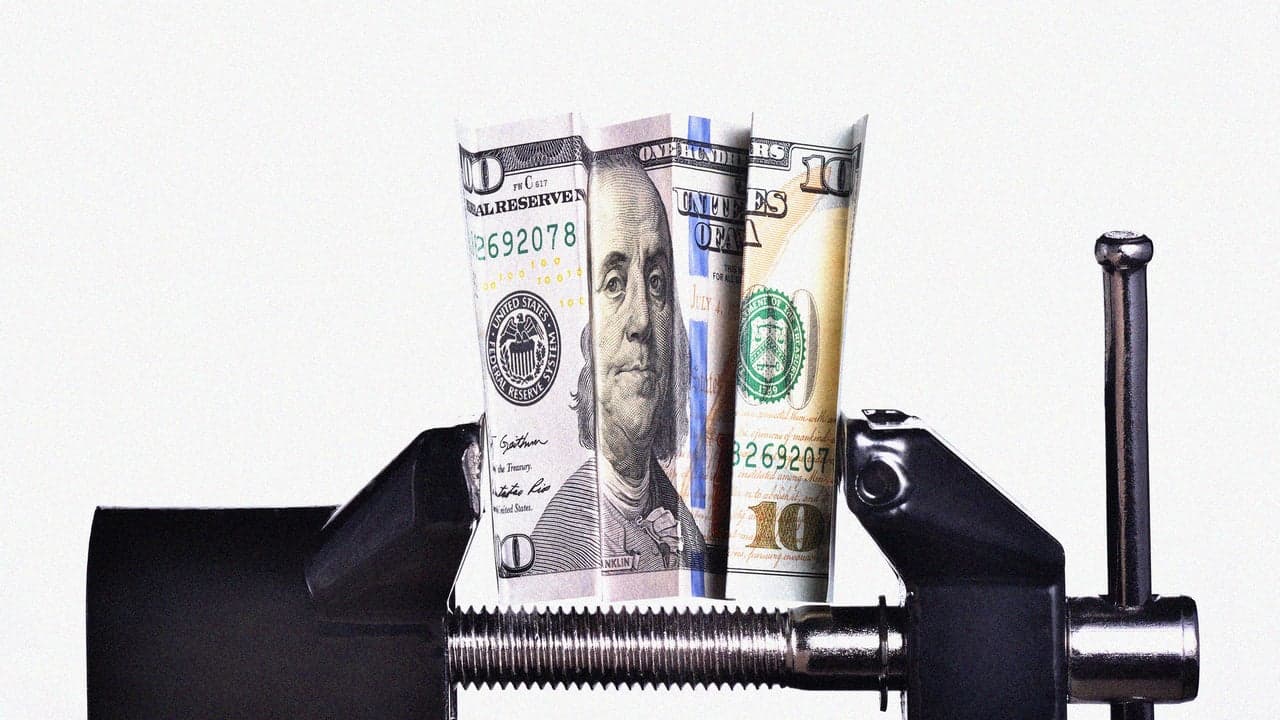
When the Safety Net Has Holes: Draining a 401(k) Out of Necessity
Nobody plans to empty their retirement account. Yet for thousands of Americans every year, tapping into a 401(k) early isn't a choice made from luxury — it's a lifeline grabbed in desperation. If you've ever found yourself unemployed, staring down mounting bills with no clear income on the horizon, you already understand the math that leads someone to that decision.
One professional recently shared his candid account of doing exactly that — going from a full-time job to unemployment, then scrambling to stay financially afloat before landing a consulting contract. Along the way, he borrowed money from friends, sold suits and luggage on an upscale resale site, and ultimately drained his 401(k). Almost entirely. He left, as he put it, "fumes."
His story is equal parts cautionary tale and financial wake-up call. And if you're someone who has gone through something similar — or fears you might — the lessons he learned are ones you can't afford to ignore.
The Domino Effect of Sudden Unemployment
Losing a job doesn't just cost you a paycheck. It costs you your financial rhythm. Bills that were once manageable on autopay suddenly feel like boulders rolling downhill. In this case, the writer was able to collect unemployment while he figured out his next move — a small but important buffer that kept things from spiraling faster than they did.
But unemployment benefits only go so far. When they don't cover the gap, people get creative — and sometimes desperate. Selling off unused belongings, leaning on friends and family, cutting every possible expense. These are the quiet, humbling measures that most people never talk about openly. The professional in question was willing to talk about them, and that honesty matters.
Because here's the uncomfortable truth: most Americans are not financially prepared for even a short-term job loss. According to multiple surveys, a large portion of U.S. adults couldn't cover a $1,000 emergency expense without borrowing. When unemployment drags on for weeks or months, the 401(k) often becomes the last door left to open.
What Actually Happens When You Borrow From or Cash Out a 401(k)
There's an important distinction between borrowing from a 401(k) and taking an early withdrawal, and it matters enormously for your financial future.
Early Withdrawal
If you withdraw money from a traditional 401(k) before age 59½, you face a 10% early withdrawal penalty on top of paying ordinary income taxes on the full amount. So if you pull out $20,000, you may only net $13,000–$15,000 after taxes and penalties depending on your tax bracket. That's a brutal haircut on money you worked hard to save.
401(k) Loan
Borrowing from your 401(k) is a slightly different option. You can typically borrow up to 50% of your vested balance or $50,000 — whichever is less — and repay it with interest back into your own account. There's no immediate tax penalty if you repay on time. However, if you leave or lose your job before repaying the loan, the full balance often becomes due quickly, and any unpaid amount is treated as a taxable distribution — penalties included.
Either route carries serious long-term consequences. The money you remove from your 401(k) stops compounding. Over a decade or two, even a modest withdrawal can represent tens of thousands of dollars in lost growth. At mid-career or later, this isn't just inconvenient — it's a meaningful setback to retirement readiness.
The Psychological Barrier: Pretending It Didn't Happen
One of the most relatable moments in this professional's story is his admission that he didn't want to look at the financial damage he'd done. He acknowledged that as long as he avoided confronting how he survived the unemployment period, it felt like it hadn't happened.
This is an extremely common psychological response to financial stress. Avoidance feels protective in the short term. But it prevents you from course-correcting, rebuilding, and making smarter decisions going forward. Eventually, the numbers demand to be faced — and the longer you wait, the harder the reckoning.
The first and most important step after an emergency financial event is to sit down, honestly assess the damage, and build a realistic picture of where you stand. Only then can you build a plan to recover.
Smarter Strategies: Building Financial Resilience Before the Next Crisis
The goal isn't to judge anyone who has been in this position. The goal is to make sure it's less likely to happen again — or to happen to you in the first place. Here are the key strategies financial advisors consistently recommend:
- Build a dedicated emergency fund. Most experts suggest three to six months of living expenses held in a liquid, accessible savings account — completely separate from your retirement accounts. This is the buffer that prevents you from ever needing to touch your 401(k) in a crisis.
- Know your 401(k) options before you need them. Understand the difference between a loan and a withdrawal, what the penalties are, and under what circumstances a hardship withdrawal might be available to you without the standard 10% penalty.
- Negotiate aggressively when you return to work. As the professional in this story did, re-entering the workforce or transitioning to consulting is an opportunity to reset your earning baseline. Higher earnings create faster recovery and stronger savings going forward.
- Prioritize 401(k) replenishment. Once you're earning again, maximize contributions — especially if your employer offers matching. Rebuilding your retirement nest egg should be treated as a non-negotiable line item in your budget.
- Consider a Roth IRA as a secondary emergency option. Unlike a traditional 401(k), contributions (not earnings) to a Roth IRA can be withdrawn at any time without penalty. This makes it a more flexible emergency backup for those who have maximized their 401(k) and want additional protection.
The Silver Lining: A Forced Financial Education
There's something that happens when you go through a financial crisis and come out the other side still standing. You develop a relationship with money that's more honest, more vigilant, and more strategic than anything you had before. You stop taking income for granted. You stop ignoring the uncomfortable numbers. You start building the kind of cushion that past-you should have had all along.
The professional at the center of this story came out of unemployment with a consultancy, strong rates, and a clearer understanding of his own financial vulnerabilities. The 401(k) took a hit. But the lessons gained — about self-worth, about financial preparation, and about facing hard truths head-on — are worth something too.
Final Thoughts: Don't Wait for a Crisis to Get Serious About Retirement
Draining a 401(k) during an emergency is a decision made under pressure, not a moral failing. But it does carry real consequences that follow you into the future. The earlier you take steps to protect your retirement savings — through emergency funds, smart negotiation, and honest financial planning — the less likely you'll ever have to make that call.
If you've already been there, welcome to the recovery phase. Rebuild aggressively, spend mindfully, and let the experience sharpen your financial instincts for everything that comes next.