
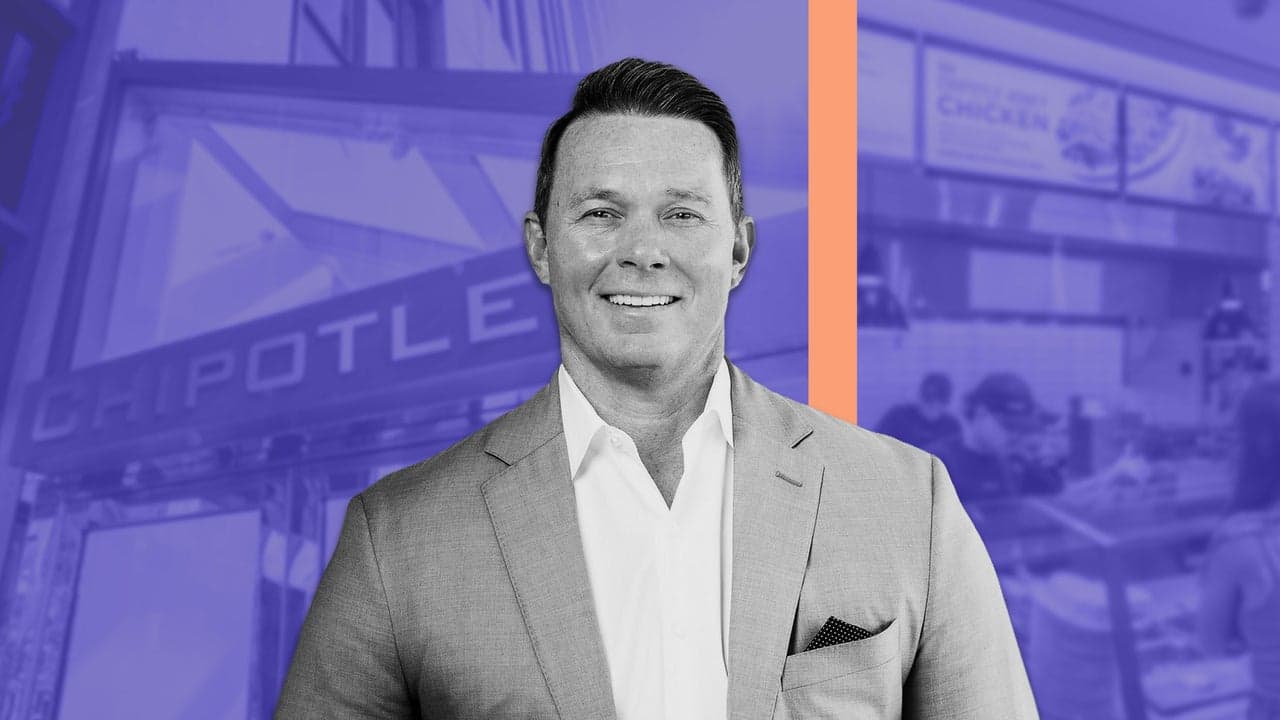
Scott Boatwright's First Move as Chipotle CEO: Two Red Chairs
When Scott Boatwright officially stepped into the role of CEO at Chipotle Mexican Grill in November 2024, he didn't mark the occasion with a sweeping strategic overhaul or a flood of corporate memos. Instead, he walked into the boardroom at the company's Newport Beach, California headquarters and added two red chairs among the existing black seats. It was a quiet gesture, but one loaded with meaning.
Those two red chairs represent the voices most often absent from high-level executive discussions: restaurant workers and customers. For Boatwright, making their presence symbolic in the boardroom was a deliberate first step in reshaping how Chipotle's leadership thinks, decides, and acts. He also installed a sign just outside the conference room that carried a direct, almost provocative message: "THE ANSWERS ARE IN THE RESTAURANTS."
That phrase isn't just a motivational slogan. It is the operating philosophy of a CEO who believes that great leadership begins not at the top of an organizational chart, but on the front lines — behind a burrito assembly station, talking with a crew member at the end of a shift, or watching how a customer navigates the line during a lunch rush.
The Problem With Boardroom Thinking
Boatwright's frustration with conventional executive decision-making is both candid and widely relatable for anyone who has worked inside a large organization. He describes a recurring pattern he has witnessed throughout his career: leadership teams gathering around polished conference tables, hypothesizing about problems happening far away in the business, and then engineering solutions for challenges they have never actually observed firsthand.
"They spin up ideas, put the ideas in place in restaurants, and never go to see how that work landed in the restaurant," Boatwright explains. "You need to go accurately identify the challenge that you see. And the only way you can do that is talking to the people who are closest to the problem — not the people sitting around the board table."
This critique cuts to the heart of a systemic failure in many large corporations. The higher executives climb, the more insulated they often become from the actual day-to-day realities of their business. Decisions get filtered through layers of management, data gets smoothed over in presentation decks, and the raw, unpolished truth of what is happening at ground level rarely reaches the people with the power to change it.
Boatwright's antidote is deceptively simple: go to the restaurants. Not for photo opportunities or staged visits, but for genuine, listening-first encounters with the people who prepare the food, serve the customers, and manage the chaos of a busy service period.
A Leadership Style Built on Proximity
Boatwright's commitment to proximity-based leadership is not a new habit adopted for optics after taking the CEO role. It is a philosophy that developed over years of working his way through the restaurant industry. Rising through operational and executive roles before reaching the top position at Chipotle, he developed a deep respect for what frontline workers understand about a business that no executive report can fully capture.
This approach aligns with a broader leadership principle increasingly recognized across industries: the value of gemba, a Japanese management concept meaning "the actual place." In manufacturing, retail, healthcare, and food service alike, leaders who regularly visit the place where real work happens tend to make better-informed decisions than those who rely solely on abstracted data.
For Boatwright, Chipotle's restaurants are his gemba. Every visit is an opportunity to test assumptions, identify friction points, and hear directly from the people whose daily experiences reveal the true health of the business.
Why Customer and Worker Voices Must Shape Strategy
The symbolism of the two red chairs extends beyond a leadership philosophy into a structural argument about whose perspectives should shape corporate strategy. In most large companies, the loudest voices in the boardroom belong to executives, investors, and board members — people whose professional distance from operations can create blind spots.
By physically representing workers and customers in the room, even symbolically, Boatwright is pushing his leadership team to ask a consistent question before making any major decision: how does this affect the person making the food and the person eating it?
This dual focus is strategically sound as well as ethically grounded. Chipotle's success has always depended on two things: the quality and consistency of its food, and the speed and friendliness of its service. Both of those outcomes are entirely dependent on engaged, well-supported restaurant employees. When workers feel heard and valued, customers feel it too — in their food, in their experience, and in their loyalty.
Lessons Other Leaders Can Take From Boatwright's Approach
Boatwright's leadership model offers practical lessons that extend well beyond the fast-casual restaurant industry. Any executive leading a customer-facing or service-driven organization can draw from his example. Key takeaways include:
- Resist the temptation to solve problems you haven't personally observed. Data is valuable, but it rarely tells the full story. Before launching initiatives, spend time in the environment where the problem actually exists.
- Make absent stakeholders visible. Whether through symbolic red chairs, customer advisory panels, or regular employee listening sessions, find ways to bring underrepresented voices into decision-making spaces.
- Create cultural signals, not just policies. A sign on a conference room wall or two chairs at a boardroom table costs almost nothing but communicates volumes about what a leader values.
- Prioritize listening over hypothesizing. The most valuable time a senior leader can spend is in conversation with frontline employees — not delivering messages, but genuinely absorbing them.
A New Chapter for Chipotle
Scott Boatwright inherits a brand that is already one of the most successful stories in modern American dining. Chipotle has grown from a single Denver location in 1993 into a chain with thousands of restaurants and a market presence that rivals far older fast-food giants. But with scale comes the ever-present risk of losing touch with the operational fundamentals that built the brand.
Boatwright's early moves as CEO suggest he is acutely aware of that risk. By anchoring his leadership in humility, proximity, and genuine curiosity about what is happening in every kitchen and every dining room, he is signaling a style of leadership that values substance over spectacle.
The two red chairs and the sign outside the boardroom are small, inexpensive interventions. But in the language of organizational culture, they speak loudly. They say that this CEO knows where the real answers live — and he is not afraid to go find them.