
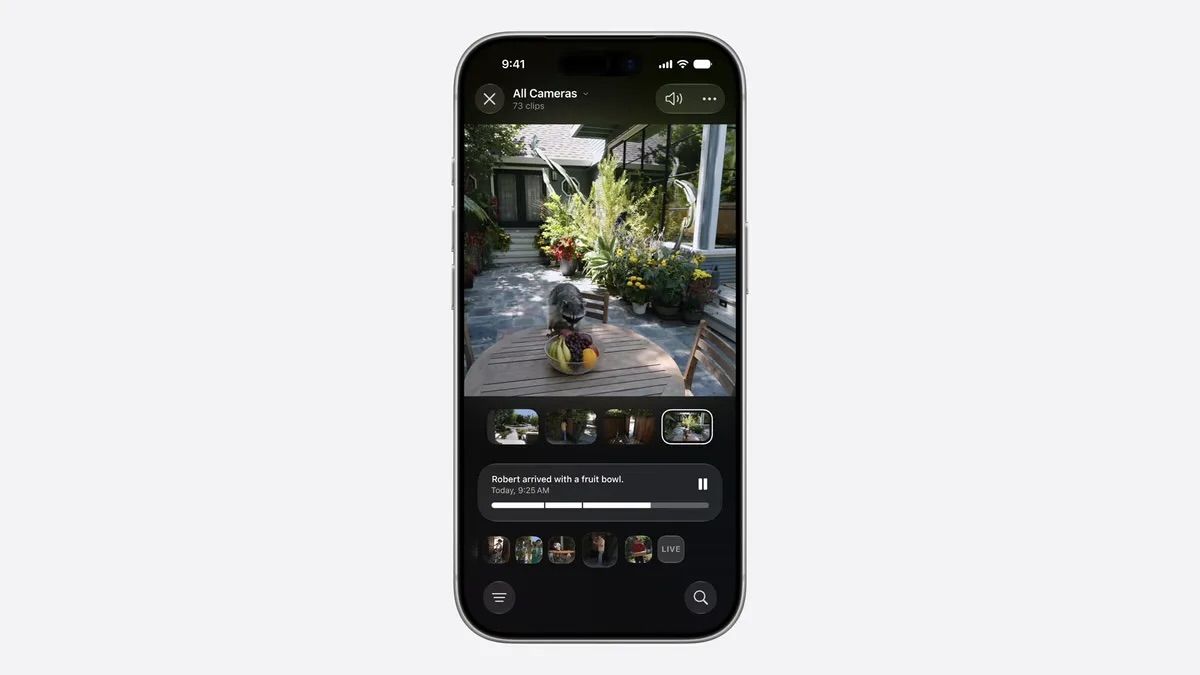
Apple Just Made Smart Home Living More Affordable — Here's What's New
For years, the smart home market has been largely dominated by two titans: Ring, owned by Amazon, and Google with its Nest lineup. Apple has always played in the same arena through its HomeKit ecosystem, but it often felt like the brand was sitting on the sidelines when it came to hardware. That narrative is changing fast. Apple has just unveiled a major Apple Home upgrade that not only brings exciting new functionality to its smart home platform, but does so at a price point that significantly undercuts both Ring and Google. If you've been waiting for the right moment to go all-in on Apple's smart home ecosystem, that moment may have just arrived.
What Is the Apple Home Upgrade?
Apple Home is the company's smart home platform, built on the foundation of the HomeKit framework. It allows users to control compatible smart devices — including lights, locks, thermostats, cameras, and more — directly from their iPhone, iPad, Mac, or Apple Watch. With the new upgrade, Apple is expanding the platform's capabilities considerably, introducing improved device compatibility, enhanced automation features, and tighter integration with Apple Intelligence, the company's AI-powered assistant layer introduced in recent years.
This upgrade is not just a software tweak. Apple is reportedly pairing the platform improvements with new or updated hardware options that bring professional-grade smart home monitoring and control to a wider audience — without the premium price tags that have historically accompanied Apple products. That's a significant shift in strategy and one that should have both Ring and Google taking notice.
How Does It Compare to Ring and Google Nest?
Ring's video doorbells and security cameras have long been the go-to for budget-conscious smart home buyers, and Google's Nest line offers a polished ecosystem experience for Android users. But both platforms come with ongoing subscription costs that add up quickly. Ring Protect plans, for instance, are required to unlock most of the useful features like video history and smart alerts. Google Nest cameras similarly push users toward a Nest Aware subscription to get the most out of their hardware.
Apple's approach aims to change that dynamic. Historically, Apple has allowed local storage options and offered more privacy-forward features by default — no subscription required for basic functionality. The new Apple Home upgrade builds on these strengths while closing the gap in areas where Ring and Google have traditionally had the edge, including video quality, motion detection intelligence, and third-party device compatibility through the Matter smart home standard.
Key Features of the New Apple Home Upgrade
- Enhanced Camera and Video Support: Apple is expanding support for high-resolution cameras within HomeKit Secure Video, offering sharper footage and smarter person, animal, and vehicle detection — features that previously required paid tiers on competing platforms.
- Apple Intelligence Integration: The upgrade ties deeper into Apple Intelligence, meaning Siri can now handle more nuanced smart home commands and automations, understanding context in ways that earlier versions simply couldn't manage.
- Expanded Matter Compatibility: Apple has broadened its support for Matter, the open smart home standard backed by Apple, Google, Amazon, and others. This means more third-party devices work seamlessly within the Apple Home app without requiring proprietary hubs or workarounds.
- Improved Automation Engine: New automation triggers and conditions make it easier to build sophisticated routines — think lights that adjust not just based on time of day, but on your location, calendar events, or even the weather outside.
- Redesigned App Interface: Apple has also refreshed the Home app to make it more intuitive, with cleaner room organization, quicker access to frequently used controls, and a more unified look across iPhone, iPad, and Mac.
The Price Advantage: Why This Matters
Price has always been a sticking point for Apple's smart home ambitions. While the software has been free, the hardware ecosystem around HomeKit has traditionally skewed expensive compared to Ring and Google alternatives. That's changing with the new lineup accompanying this upgrade. Apple's updated offerings come in at a competitive price that makes entry into the Apple Home ecosystem genuinely accessible to mainstream consumers, not just Apple loyalists with deep pockets.
When you factor in the absence of mandatory subscription fees for core features, the total cost of ownership over time can actually be lower than what you'd spend maintaining a Ring or Google Nest setup. That's a compelling argument for anyone shopping for a smart home system in 2025 and beyond.
Should You Switch to Apple Home?
If you're already embedded in the Apple ecosystem — using an iPhone, iPad, Mac, or Apple TV — then the new Apple Home upgrade makes a stronger case than ever for centralizing your smart home around Apple's platform. The combination of privacy-first design, seamless device integration, and now competitive pricing is a hard package to argue against.
Even if you're not exclusively an Apple user, the expanded Matter support means many of your existing smart home devices may already be compatible. Making the switch, or at least adding Apple Home to your setup, has never been easier or more affordable.
The Bottom Line
Apple's major Apple Home upgrade represents a meaningful step forward for the company's smart home ambitions. By combining powerful new features with a more accessible price point, Apple is positioning itself as a serious challenger to Ring and Google in the everyday consumer market — not just among tech enthusiasts. For smart home fans who've been keeping an eye on Apple's ecosystem from a distance, this upgrade may finally be the tipping point that brings them fully on board.